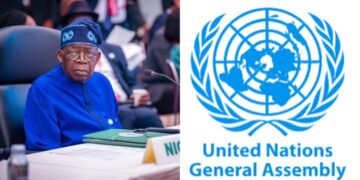

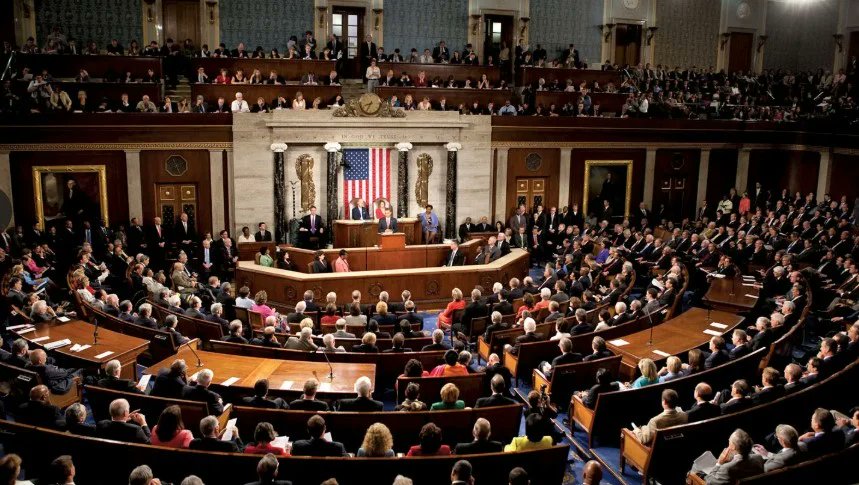
The United States House of Representatives has passed a major legislative amendment aimed at freezing all financial and developmental assistance to Nigeria. The sweeping policy shift demands that Nigeria demonstrate verifiable and measurable progress in combating terrorism and protecting vulnerable communities before any funding can be restored.
The legislative action, introduced as an amendment by Congressman Gregory Steube during the consideration of the National Security and State Department Appropriations Act for 2027, escalates a previous 50% funding restriction to a total 100% embargo.
Why the US is Freezing Aid
American lawmakers cited a persistent lack of accountability and structural failures in tackling extremist groups. Key drivers behind the unanimous push include:
- Failure to Protect Citizens: The US House accused the Nigerian government of failing to adequately shield its population from escalating violent attacks and mass atrocities.
- Persecution of Faith Communities: The bill specifically highlights the need to safeguard religious minorities, restricting aid until clear actions are taken to defend communities suffering from intense religious violence.
- Lack of Prosecution: Washington expressed deep concerns over the failure to aggressively hold the perpetrators of these insurgencies accountable under the law.
The Economic & Geopolitical Fallouts
This full suspension marks a significant low point in Nigeria-US bilateral relations and poses a severe threat to non-profit funding, humanitarian programs, and security cooperation in West Africa.
As Nigeria navigates severe internal economic pressures, losing a primary source of foreign assistance places immense strain on the country’s social welfare systems. Financial analysts warn that if the Senate and the Executive branch mirror this stance, it could severely choke foreign direct investment and alter the sub-regional fight against terrorism.