

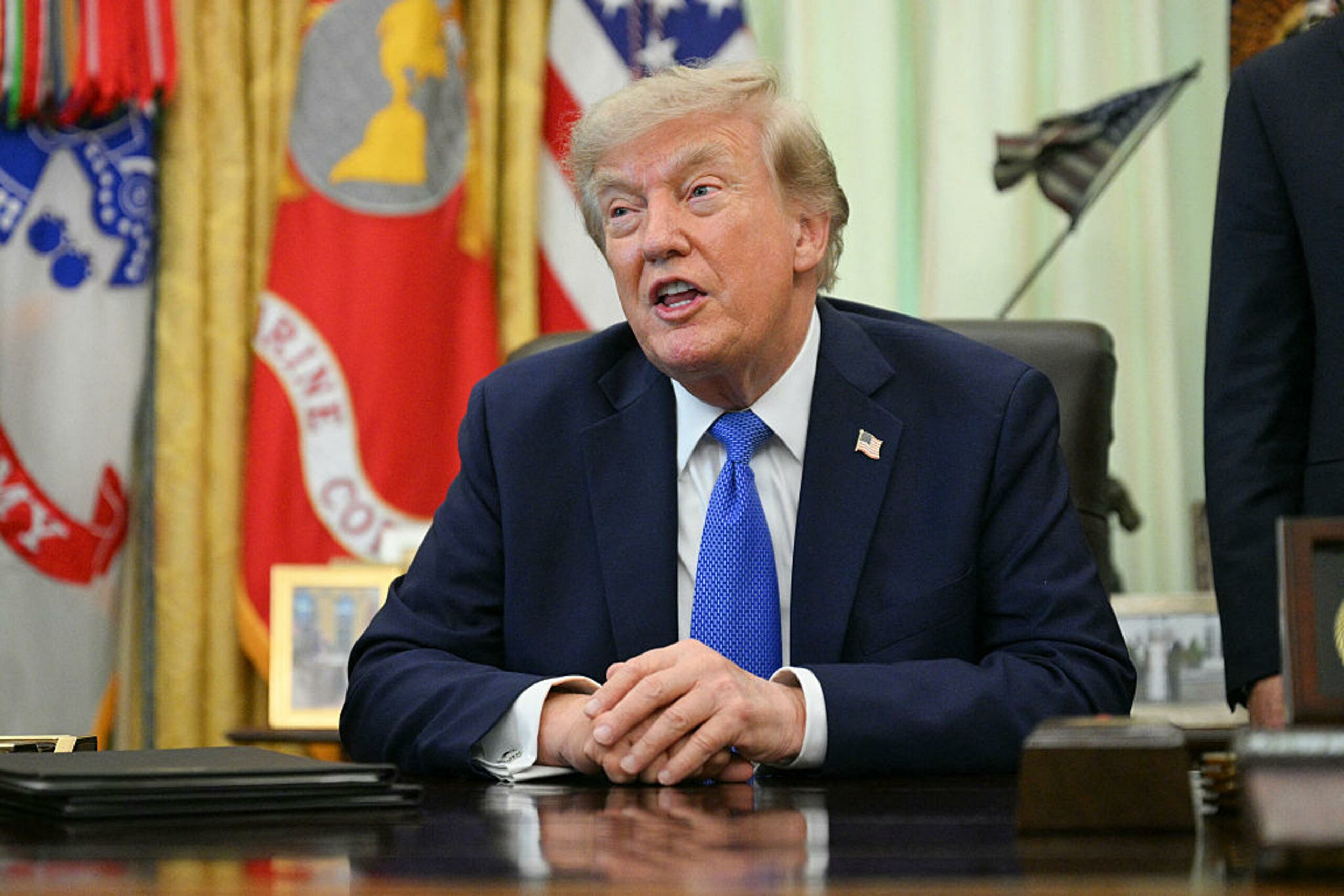
In a push to establish the United States as the undisputed global hub for Web3 and digital assets, U.S. President Donald Trump has called on the Senate to swiftly pass the landmark Digital Asset Market CLARITY Act.
Dubbing himself the self-proclaimed “Crypto President,” Trump has placed digital asset regulation at the center of his economic strategy, arguing that cryptocurrency innovation is vital to maintaining U.S. financial dominance and countering economic pressure from rivals like China.
What is the Crypto CLARITY Act?
The Digital Asset Market CLARITY Act is designed to provide long-awaited regulatory certainty for institutional investors and crypto platforms. Key provisions of the proposed federal framework include:
- Jurisdictional Boundaries: Formally delineates oversight powers between the Securities and Exchange Commission (SEC) and the Commodity Futures Trading Commission (CFTC).
- Regulatory Certainty: Creates clear guidelines for crypto issuers, spot exchanges, and stablecoins, resolving years of enforcement-led regulation.
- Global Market Alignment: Establishes a comprehensive legal framework to keep crypto capital and Web3 talent from fleeing to jurisdictions like Europe (under MiCA) or Asia.
Trump’s Stance & National Security Narrative
During recent remarks, Trump emphasized that digital tokens lessen reliance on physical currency and serve as a strategic buffer.
“Crypto is a big deal… It takes a lot of pressure off our dollar. It’s a good thing for our country. If we don’t have it, China’s going to have it,” Trump stated.
Trump has framed the U.S.–China rivalry as expanding beyond artificial intelligence into the decentralized financial ecosystem, cautioning that legislative delays risk handing Asia an irreversible advantage.
Why the Legislation is Stalled in the Senate
Despite passing the House of Representatives and clearing the Senate Banking Committee, the CLARITY Act remains caught in intense political debate:
- Senate Recess Delay: Floor votes have been paused due to the congressional summer recess.
- Ethics & Conflict-of-Interest Clash: Lawmakers—led by Senate Banking Committee Democrats like Elizabeth Warren—have raised strong objections regarding ethics provisions. Critics allege that proposed ethics language leaves major loopholes, allowing public officials to profit from digital asset ventures, licensing deals, and personal crypto holdings while holding regulatory authority.
As Congress prepares to return, the clash between establishing clear market rules and tightening government ethics will determine whether the CLARITY Act becomes federal law before the end of the year.