
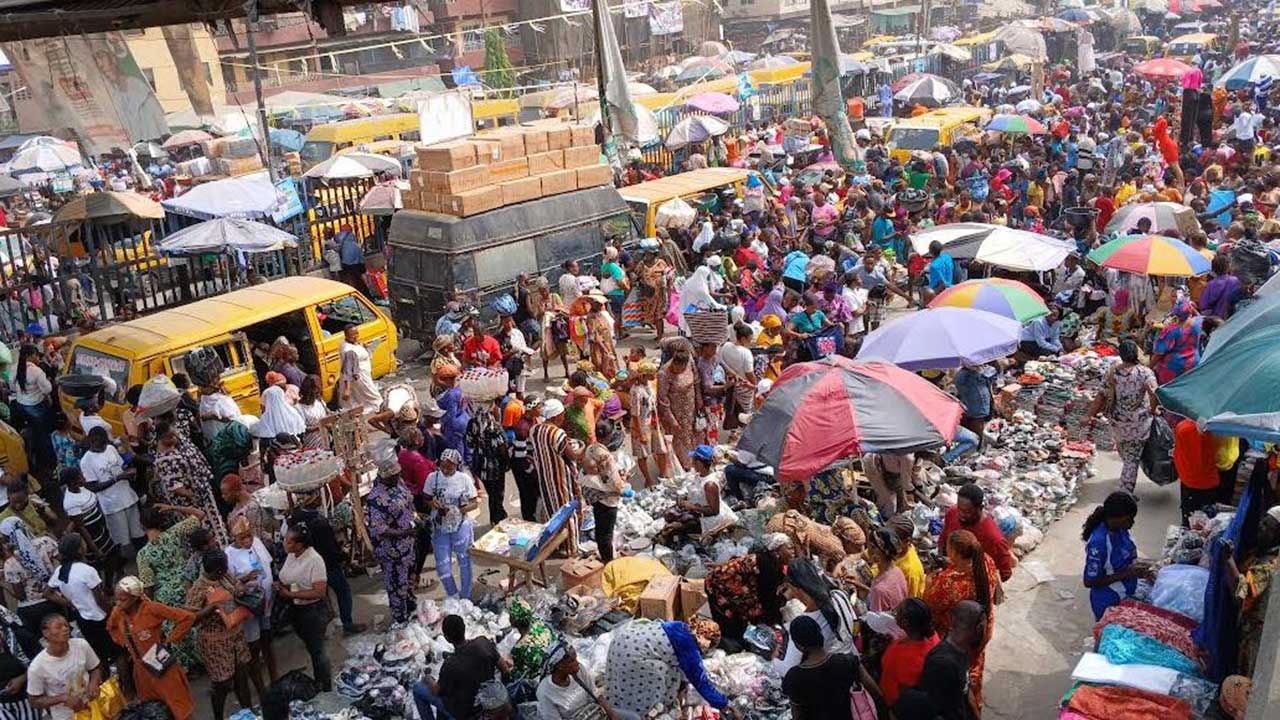
An additional 17.9 million Nigerians slipped into acute multidimensional poverty between 2021 and 2024, marking the single largest poverty increase recorded by any country globally over the evaluation period.
The alarming surge was disclosed in the 2026 Global Multidimensional Poverty Index (MPI) report, jointly published by the United Nations Development Programme (UNDP) and the Oxford Poverty and Human Development Initiative (OPHI).
The figures highlight a sharp reversal of prior gains made between 2018 and 2021, underscoring how persistent inflation, currency devaluations, and escalating living costs have severely weakened household resilience nationwide.
Key Takeaways From the 2026 Global MPI Report
- National Poverty Rate Rise: Nigeria’s multidimensional poverty head-count ratio expanded from 33.0% in 2021 to 38.7% in 2024.
- Total Deprived Population: The total number of multidimensionally poor citizens grew from 72.2 million in 2021 to 90.1 million in 2024 under the report’s harmonized global measurement criteria. (Separate national-level indicators put total multidimensional poverty at 113.32 million).
- MPI Value Escalation: Nigeria’s overall MPI score deteriorated from 0.175 to 0.208, signaling a concurrent rise in both the overall incidence and depth of daily living deprivations.
- Global Ranking: Nigeria led the five nations that recorded an increase in multidimensional poverty during the survey cycle, outpacing countries like Afghanistan (5.3 million increase), Central African Republic, Guinea, and Kyrgyzstan.
What Is Driving the Deprivation Surge?
Unlike traditional income-only metrics, the Multidimensional Poverty Index assesses overlapping household deprivations across three primary dimensions—Health, Education, and Living Standards, spanning these indicators:
- Basic Household Services: Lack of access to clean drinking water, adequate sanitation, electricity, and standard housing materials.
- Health & Human Capital: Worsening nutrition metrics, elevated child mortality pressures, and reduced school attendance.
- Macroeconomic Shockwaves: Hyperinflation and high food prices have forced low-income households to divert funds away from education and healthcare toward basic daily food survival.
Geographical & Socio-Economic Burden
The report further details that rural communities and northern geopolitical zones continue to absorb the heaviest concentration of multidimensional poverty. The rapid slide of nearly 18 million additional citizens into deprivation underscores the urgent need for targeted social protection safety nets, subsidized agricultural inputs, and sustained investments in primary infrastructure to cushion vulnerable households from broader economic reform shocks.