
The International Monetary Fund (IMF) has strongly advised the Federal Government of Nigeria against reinstating universal petrol subsidies, cautioning that broad price controls are regressive, fiscally expensive, and disproportionately benefit higher-income demographics.
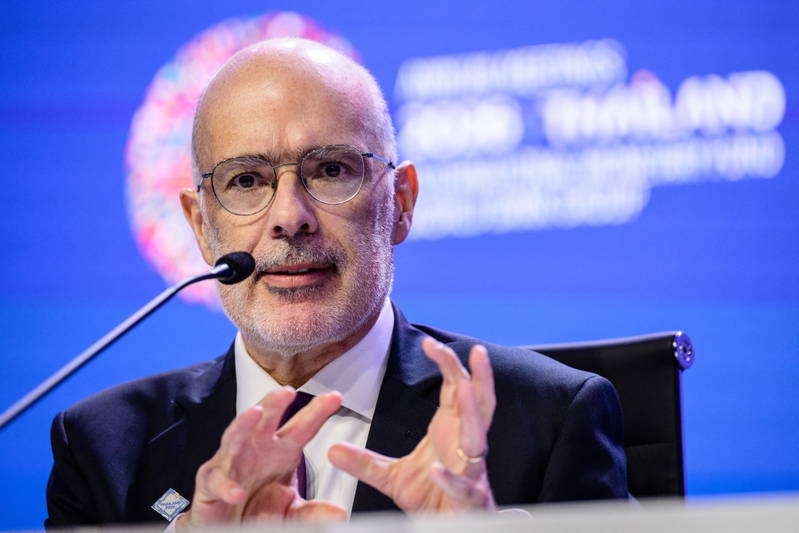
Speaking at a Fiscal Monitor press briefing during the 2026 IMF-World Bank Annual Meetings in Bangkok, Thailand, Rodrigo Valdés, Director of the IMF’s Fiscal Affairs Department, alongside Division Chief Davide Furceri, urged Nigerian authorities to focus on direct, targeted social safety nets instead of suppressing pump prices.
Key Recommendations from the IMF
- Protecting People vs. Protecting Prices: The Fund stressed that shielding vulnerable citizens should not be confused with keeping fuel prices artificially low, noting that energy subsidies cost governments 1% to 1.5% of GDP globally in 2026.
- Targeted Social Safety Interventions: IMF officials recommended redirecting public resources away from universal price suppression toward specific interventions, including:
- Public Transport Subsidies: Direct assistance for public transit operators and commuters to curb transport-driven inflation.School Feeding Programs: Targeted welfare initiatives to protect vulnerable children.Agricultural & Farmer Aid: Direct input support for farmers to safeguard food security and lower production costs.Distortionary Market Effects: The IMF warned that broad subsidies prevent demand from adjusting naturally to market realities, worsening global energy market pressures.
- Sovereignty & Double Standards: Critical commentators on social media and public forums questioned why Western institutions urge developing nations to eliminate energy safety nets while developed economies frequently subsidize domestic energy and agricultural sectors.Public Hardship Concerns: Citizens express deep skepticism toward “targeted social transfers,” pointing out that previous direct cash transfer programs suffered from transparency issues, administrative delays, and limited coverage while citizens bore the immediate brunt of soaring transport fares and food inflation.