

by Victor Okebunmi
There are few natural attractions in Nigeria that can rival the beauty and historical significance of Erin-Ijesha Waterfalls. Nestled in Oriade Local Government Area of Osun State, the famous Olumirin Waterfalls has, for decades, remained one of the country’s most treasured tourist destinations. Every year, thousands of visitors travel from different parts of Nigeria and beyond to experience its breathtaking scenery.
Sadly, what should be a source of pride has become a source of frustration.
A recent visit to the waterfall leaves one asking a simple question: Has the Osun State Government truly recognised the economic value of this priceless asset?
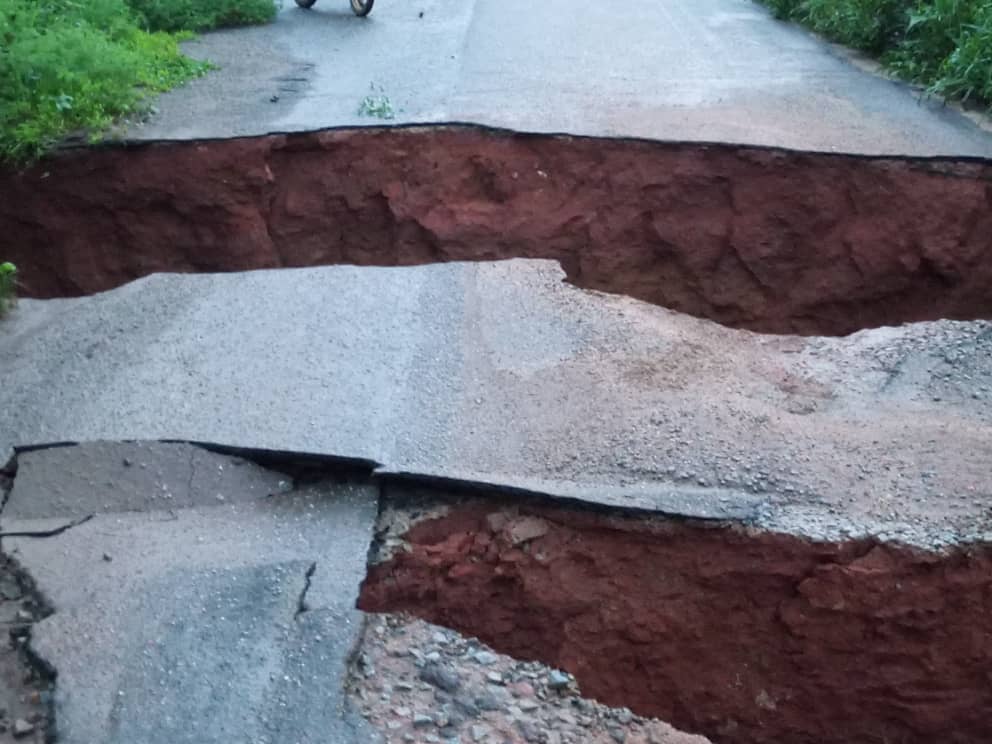
Before a visitor even catches sight of the magnificent waterfall, the first challenge is surviving the road leading to it. Large sections have been badly damaged by erosion. Deep potholes, washed-away shoulders and failing infrastructure make the journey unnecessarily stressful. During the rainy season, the situation becomes even worse.
This is not the image a serious tourism destination should present.
Tourism is one of the fastest-growing sectors in the global economy. Countries and states that understand its value invest heavily in roads, security, visitor centres, sanitation and maintenance because they know such investments create jobs, stimulate local businesses and increase government revenue.
Unfortunately, Erin-Ijesha appears to have been left behind.
This is particularly difficult to understand at a time when states are receiving significantly higher allocations from the Federation Account following recent fiscal reforms. Citizens naturally expect that increased public revenue should translate into visible improvements in infrastructure, especially around assets capable of generating even more income for the state.
Instead, one of Osun’s greatest tourism treasures continues to struggle with poor access and inadequate public investment.
The contrast with neighbouring Ogun State is impossible to ignore.
Governor Dapo Abiodun took a deliberate decision to rehabilitate Olumo Rock, another historic tourism destination. The result was immediate. Ogun State reported that revenue generated from the attraction increased from about ₦3 million annually before the renovation to about ₦40 million monthly after the upgrade. That transformation was not accidental. It was the product of vision, planning and investment.
The obvious question is this: If Ogun can transform Olumo Rock into a stronger economic asset, why should Erin-Ijesha Waterfalls continue to languish?
No one expects government to solve every problem overnight. However, fixing the access road to one of Osun’s biggest tourism assets should not require endless appeals from residents and disappointed visitors. Infrastructure around such a strategic destination ought to rank among the state’s development priorities.
The people of Erin-Ijesha deserve better. Local traders deserve better. Investors deserve better. Above all, Osun State deserves better.
Government must recognise that tourism is no longer merely about leisure. It is serious business. Every tourist who visits Erin-Ijesha spends money on transport, accommodation, food, local guides and other services. When poor infrastructure discourages visitors, the entire local economy suffers.
Governor Ademola Adeleke still has an opportunity to change this narrative. The rehabilitation of the Erin-Ijesha access road, improvement of visitor facilities, enhanced security and proper maintenance of the site should begin without delay. Doing so would not only preserve one of Nigeria’s greatest natural wonders but also demonstrate that Osun is prepared to harness tourism as a genuine driver of economic growth.
Nature has already given Osun a masterpiece. What remains is for government to provide the leadership needed to unlock its full potential. Until that happens, Erin-Ijesha Waterfalls will remain a symbol of enormous promise constrained by inadequate public investment.
Victor Okebunmi, a journalist, writes from Ibadan, Nigeria.