

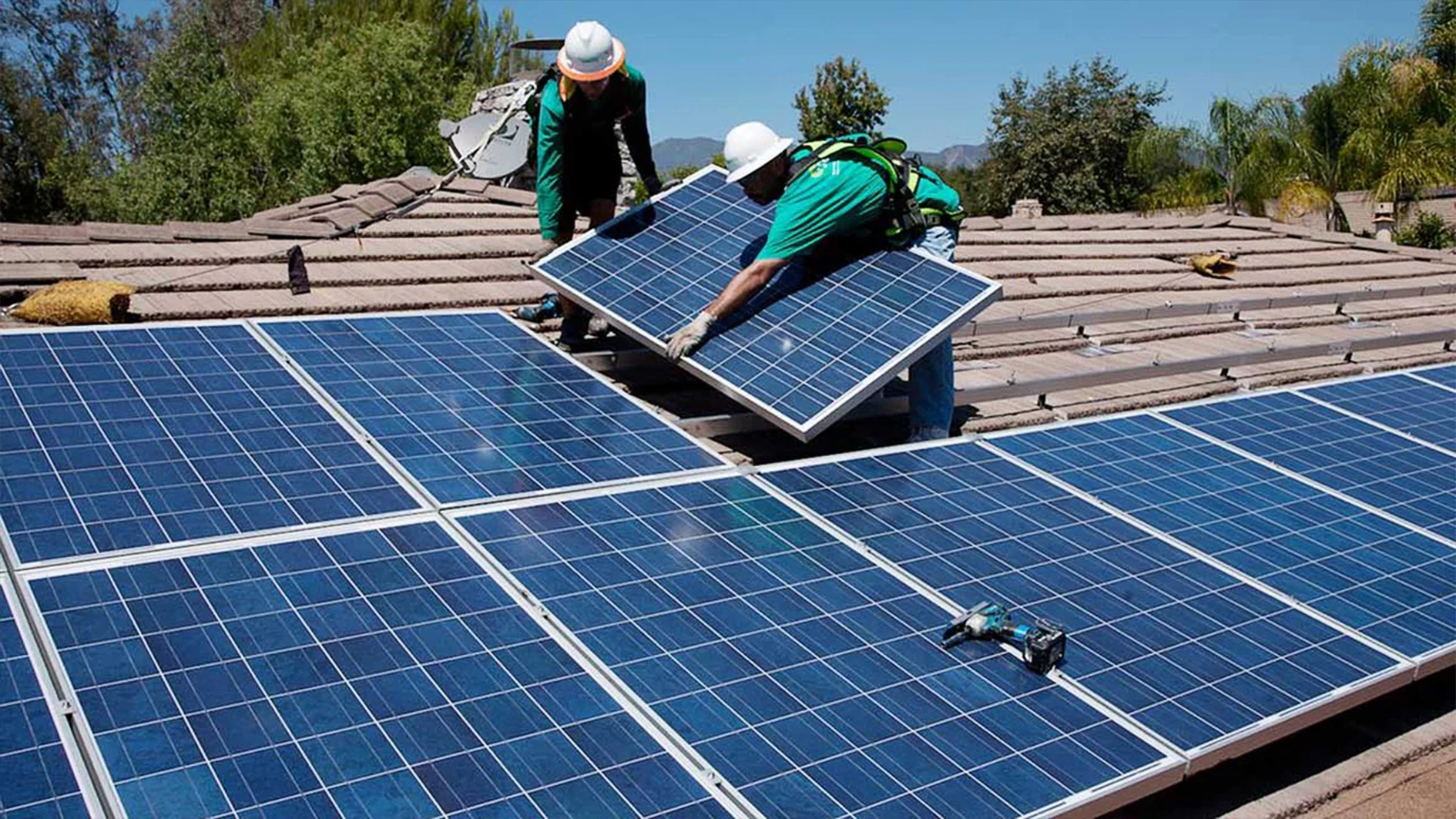
Well in case you’ve not, Clean energy simply means generating energy with minimal effects on the environment in a negative way. Some of which include Biogas, solar energy, wind energy, etc.
The aim of clean energy is to provide sustainable alternatives to traditional fossil fuels, promoting environmental sustainability and reducing the carbon footprint associated with energy production.
By now, You should have heard about clean energy sources if you’re not living under a rock. Lol.
A lot of people run away from using it because it seems very costly to implement.
However, it is like an investment that has its long term benefits on both the environment and the finances of its users.
In this blog post, we would explore clean energy to see how it works and why it’s of great benefit to any country that adopts it.
Who knows, maybe that would be the solution to all our long term problems in Nigeria. Lol. Just kidding. But on a serious note, Never say never.
INTRODUCTION
Globally, the climate has been tampered with due to different human activities, of which energy generation is one.
We feel it in the recent change in weather conditions at different times of the year. The normal natural weather has been disrupted, and is affecting every living thing negatively.
We need to save mother earth and this was one of the reasons why the United Nations came up with the Sustainable Development Goals (7) Affordable and Clean Energy and (13) Climate Action.
This is a reasonable measure in which we can use a stone to kill two birds– make more money for the country and save the climate.
In the era of climate change awareness, Nigeria stands at a crossroad, balancing the need for development with the imperative to preserve our planet.
One avenue that brilliantly merges progress with sustainability is the widespread adoption of clean energy sources.
As a developing country, Nigeria can take advantage of this clean energy initiative for rapid development. It might cost some funds, but in the long run, it will be highly beneficial because we’d be saving the earth and our country both environmentally and economically.
1. Job Creation and Economic Growth:
First on our list of the economic marvels of sustainable energy is the creation of jobs. Imagine a world where solar farms and wind turbines not only power our homes but also become epicenters of employment.
The clean energy sector has the potential to generate thousands of jobs like manufacturing, installation, maintenance and research. This surge in employment not only reduces unemployment rates but also contributes significantly to economic growth.
2. Foreign Direct Investment (FDI):
Clean energy projects are direct magnets which attract foreign investors looking to support sustainable initiatives. If Nigeria embraces renewable energy, it would have its doors open to increased Foreign Direct Investment.
As the global community (United Nations Sustainable Development Goals and Global Climate bodies) leans towards eco-friendly practices, being a front-runner in clean energy adoption positions Nigeria as an attractive investment destination, fueling its economic prosperity.
3. Reduced Energy Costs:
Let’s talk about the money saved on electricity bills. Clean energy alternatives, particularly solar and wind do not require energy costs once they are installed, thru only require maintenance.
By harnessing the power of these resources, both individuals and businesses can enjoy significant savings on their energy expenditures. More money in the pockets of consumers means increased spending power and a boost to the overall economy.
4. Diversification of the Economy:
Nigeria has long been dependent on oil revenue, a volatile commodity susceptible to market fluctuations. Embracing clean energy not only reduces the nation’s reliance on a single revenue stream but also diversifies the economy. This diversification provides a buffer against economic shocks, fostering resilience and stability.
5. Healthier Workforce, Lower Healthcare Costs:
Beyond the economic realm, clean energy adoption has a profound impact on public health. Traditional energy sources, like coal and gas, contribute to air pollution, leading to a number of health issues.
By transitioning to clean alternatives, Nigeria can cultivate a healthier workforce, reducing healthcare costs and increasing overall productivity.
6. Energy Security and Independence:
Nigeria has faced challenges in ensuring a consistent and reliable energy supply. By embracing clean energy alternatives, the nation can enhance its energy security. Solar and wind power, in particular, offer decentralized solutions, reducing the reliance on centralized (national) grids.
This not only ensures a more stable energy supply but also contributes to energy independence, a crucial factor in national economic security and resilience because energy is life.
Both businesses and personal habitats can’t function effectively without energy production especially in this technology age where we have to power our gadgets.
7. Technological Advancements and Innovation:
The shift towards clean energy opens the door to technological advancements and innovation. As Nigeria invests in renewable energy research and development, it stimulates a culture of innovation.
This can lead to the creation of new technologies, improved efficiency in energy production, and even the emergence of cutting-edge solutions that can be exported globally, positioning Nigeria as a tech leader in the clean energy space.
8. Mitigating Climate Change Impact:
Beyond economic growth, there’s the undeniable environmental impact of clean energy sources. Nigeria, like many other nations, is struggling with the consequences of climate change. Adopting clean energy is a proactive step towards reducing these impacts like greenhouse gas emissions, ozone layer depletion, etc. With this, Nigeria contributes to the global fight against climate change, safeguarding its citizens from extreme weather events and preserving ecosystems.
9. Sustainable Infrastructure Development:
Clean energy projects are not just about power generation but they are also catalysts for sustainable infrastructure development. The construction of solar farms, wind parks, and hydroelectric plants necessitates the development of roads, storage facilities, and advanced grid systems.
This infrastructure not only supports the clean energy sector but also lays the groundwork for overall economic development.
10. Social Equity and Inclusive Growth:
Clean energy initiatives can be designed with a focus on social equity and inclusive growth. By ensuring that clean energy projects benefit all segments of society, including marginalized communities, Nigeria can address social inequalities. This inclusive approach not only fosters a sense of shared prosperity but also contributes to long-term social stability.
11. Global Leadership and Reputation:
As nations worldwide intensify their commitment to sustainable practices, positioning Nigeria as a global leader in clean energy showcases responsible governance. This enhanced reputation can lead to increased diplomatic and trade opportunities, strengthening Nigeria’s influence on the global stage.
12. Low Mortality Rate:
Embracing clean energy would help us breathe in clean air, prevent air communicable diseases like lung diseases, heart diseases and throat diseases.People would live longer and stop dying young due to diseases that could have been prevented.
CONCLUSION
In embracing clean energy alternatives, Nigeria not only charts a course for economic prosperity but also becomes a trailblazer in sustainable development.
It’s not merely a shift in energy sources, it’s a transformative journey towards a resilient, equitable, safe, healthy and environmentally conscious future.
In conclusion, the economic benefits of adopting clean energy alternatives in Nigeria are not just futuristic dreams; they are tangible, achievable goals.
The path to a sustainable and prosperous future lies in the harnessing of clean energy sources.
So, let’s join hands in this journey towards a greener, more economically vibrant Nigeria!